GSA SER Tier 1 Link Building
Understanding GSA SER Tier 1 Link Building
Building a robust backlink profile remains one of the cornerstones of modern SEO. Among the many tools and strategies available, GSA SER tier 1 link building has carved out a distinct reputation for creating high-quality, contextual first-layer links that point directly to your money site. This approach is not about mindless spam—it’s a sophisticated, automated method for generating powerful foundational links when executed with precision and tight controls.
What Is GSA SER?
GSA Search Engine Ranker (SER) is a desktop-based link building tool that automates the creation of backlinks across a vast range of platforms. It can register accounts, fill in profiles, bypass captchas, and submit content to article directories, social networks, forums, wikis, web 2.0 blogs, and many other platforms. Unlike many cloud-based solutions, GSA SER gives you full control over the entire process, from proxy rotation to content spintax and link velocity.
The Role of Tier 1 Links
In a tiered link building structure, tier 1 refers to the very first layer of backlinks that point directly to your main website. These links need to be the strongest, most relevant, and most trustworthy because they pass the most direct link equity and are visible to search engine quality reviewers. GSA SER tier 1 link building focuses on constructing this crucial layer using carefully selected platforms and unique, readable content that adds value to the web ecosystem.
Why Use GSA SER for Tier 1 Links?
Many SEOs reserve GSA SER exclusively for lower tiers (tier 2 and 3) out of fear of leaving a footprint. However, when you lock down the settings, use high-quality data sources, and integrate premium services, GSA SER becomes an exceptionally efficient engine for tier 1 link building. Here’s why it works:
- Complete platform control: You can hand-pick only high-authority engines like WordPress, Drupal, Joomla, or manually verified blog networks.
- Article and contextual placement: The tool can post lengthy, unique articles with embedded links on real web 2.0 properties.
- Scheduled drip-feeding: Mimic natural growth by setting posting limits, random delays, and consistent link velocity.
- Advanced filtering: Filter by Page Authority, Domain Authority, OBL (outbound links), and language to avoid low-quality destinations.
- Full integration: Connect captcha solvers, indexers, email verification, and content generation APIs like OpenAI to elevate quality.
Setting Up a GSA SER Tier 1 Campaign
Running a successful GSA SER tier 1 link building campaign requires a shift in mindset—from volume to value. Below is a step-by-step approach to crafting a campaign that builds links you would proudly point directly to your site.
1. Curate Your Target Engines
Do not let GSA run on all available engines. Create a custom engine selection limited to platforms that typically allow high-quality, human‑grade content. Prioritize:
- Web 2.0 blogs (WordPress, Medium-like clones, Tumblr, Blogger if still viable)
- Premium social network profiles and bookmarking sites with do-follow capability
- High-quality article directories with strict editorial guidelines (even if semi-automated)
- PDF and document sharing sites
- Contextual forum profiles where link insertion is possible in bio or signature
2. Invest in Exceptional Content
For tier 1, never rely solely on scraped or massively spun garbage. Use a combination of well-written handcrafted articles and advanced spintax that reads fluently at sentence and paragraph level. Many advanced users feed GSA SER with unique articles generated via GPT and then nested in spintax for variation. Every article should be at least 500–800 words, relevant to your niche, and contain one contextually placed anchor link to your money page.
3. Configure Project Options with a Tier 1 Mindset
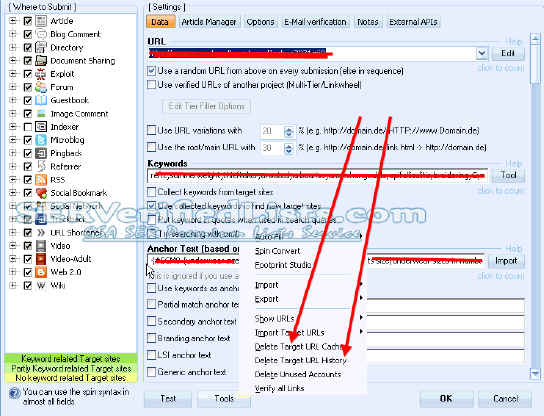
The default GSA settings are often too aggressive. For tier 1 you must tighten them:
- Set minimum PR/DA to filter weak domains (for example, DA > 20 or PageRank > 1).
- Set maximum outbound links (OBL) per page to a low number, ideally under 50.
- Enable “avoid links on pages with adult/warez†strongly.
- Use only a few verified private or high-quality shared proxies; avoid free or burnt public proxies.
- Implement a modest link velocity—no more than 5–15 links per day.
- Enable the “First link only†option for web 2.0s to ensure each blog gets only one backlink to your site, maintaining cleanliness.
- Set custom HTML/caption footprint to avoid leaving obvious automated traces.
4. Leverage Email and Indexing Services
To create authentic web 2.0 accounts, you need proper email addresses. Use a catch-all domain email setup or a service that provides fresh inbox accounts. For indexing, you can integrate premium indexers but often it’s better to let the tier 2 links you build later naturally push these pages into the index. Some users manually submit a sitemap or use a few high-quality RSS pings to ensure the tier 1 properties are discovered without spamming.
5. Diversify Anchor Text Aggressively
Tier 1 links should show a natural anchor profile. Set GSA to use:
- Branded anchors (50–60%)
- Naked URLs (10–15%)
- Generic anchors like “click here,†“learn more,†“this site†(10–15%)
- Partial-match and long-tail keywords (10–15%)
- Exact match anchors only sparingly (1–2%)
Avoid repeated exact-match anchors that can trigger over-optimization filters.
Best Practices for GSA SER Tier 1 Link Building
To make your tier 1 layer genuinely impactful and future-proof, follow these advanced guidelines:
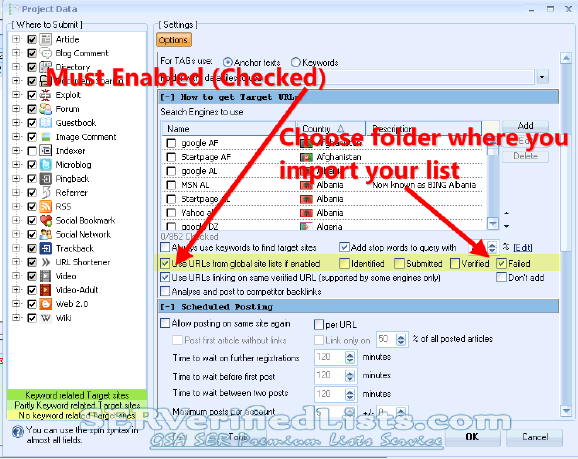
- Host your own verified lists: Regularly scrape or buy updated lists of high-quality targets, then verify them manually or via the tool’s verification function. Only push to domains that are alive, indexed, and have decent metrics.
- Use multiple shortener and redirect options cautiously: Some users cloak tier 1 links through a 301 redirect chain; however, keep it clean. A direct, contextual link on a real web 2.0 is far stronger.
- Age your web 2.0s: Do not blast thousands of links to a brand-new tier 1 property. Let the web 2.0 sit for weeks, then slowly build tier 2 links to them using GSA SER with more aggressive settings. This aging process dramatically increases the authority passed.
- Regularly audit your live links: Use tools like GSA’s built-in status check or third-party crawlers to see which tier 1 links are still live and indexed. Replace dead ones with fresh submissions.
- Combine with manual outreach where possible: The best tier 1 profiles are the ones that also receive some hand-built enhancements—custom themes, an “About†page, or an extra manually posted article. This blends automation with human-quality signals.
Common Mistakes to Avoid
Even seasoned users fall into traps when setting up GSA SER tier 1 link building. Steer clear of these errors:
- Running tier 1 on overused public proxies — this leads to account bans and poor success rates.
- Using the same spintax across hundreds of properties — always introduce enough variation to avoid duplicate content penalties.
- Ignoring OBL limits — placing your link on pages that already contain 100+ external links devalues its equity.
- Pointing unnatural anchor text spikes directly to the money site — tier 1 must be gentle, as it is the most visible layer to Google’s manual reviewers.
- Allowing GSA to post to comment fields and pingbacks as tier 1 — those are inherently low-value and should remain in lower tiers.
- Skipping the tier 2 layer entirely — without subsequent layers of links, your tier 1 properties may never get indexed or achieve enough authority to help.
premium GSA SER verified lists
Frequently Asked Questions
What exactly is GSA SER tier 1 link building?
It is the practice of using GSA Search Engine Ranker to create the first layer of backlinks that point directly to your main website, with strict quality controls on content, platform selection, and link velocity. The goal is to build contextual, unique, and highly relevant links that boost rankings without risking penalties.
Is it safe to use GSA SER for tier 1 links?
Yes, when configured correctly. The safety depends entirely on your settings. A poorly configured campaign can damage your site, but a well-tuned tier 1 setup using high-quality content, minimal OBL, private proxies, and natural anchor distribution can be safer than many manual directory submissions. Many SEOs run such campaigns for years without issue.
How many tier 1 links should I build per day?
There is no universal number, but for a tier 1 layer, a steady pace of 5 to 15 verified links per day is a common safe range. The emphasis should be on quality over quantity. Too many links too fast can appear unnatural, especially for newer websites.
Do I need a tier 2 and tier 3 if I focus on strong tier 1 links?
Almost always, yes. Even a powerful web 2.0 built with GSA SER needs its own backlinks to gain authority and get indexed consistently. A carefully constructed tier 2 (and sometimes tier 3) structure using the same tool but with slightly broader, more automated settings will fortify the tier 1 layer and amplify the overall effect.
Can I use AI-generated content directly for GSA SER tier 1?
Absolutely. Many successful campaigns feed GSA SER with articles produced by GPT-based APIs, then spun at paragraph level using spintax. Ensure the output reads naturally, is factually correct for your niche, and passes basic AI detection checks if needed. Always edit a batch of outputs manually to establish a quality baseline before full automation.
What metrics should I target for tier 1 domains?
For a strong GSA SER tier 1 link building campaign, look for domains with a Domain Authority (DA) above 20, Trust Flow above 5, a clean link profile (not spammed), and a low number of outbound links. Prefer platforms that are indexed in Google and have at least some organic traffic, as they indicate real, functioning sites.
How long does it take to see ranking improvements?
Results depend on niche competition, current site authority, and indexation speed. Typically, tier 1 links begin to influence rankings within 4 to 12 weeks as they are discovered and evaluated by search engines. Pairing the campaign with a solid tier 2 and occasional manual indexing pushes can shorten this window.
Final Thoughts
GSA SER tier 1 link building is a powerful strategy when you strip away the automation stigma and treat the tool as a precision instrument. By focusing on hand-picked, authoritative platforms, unique content, and a meticulously restrained setup, you can construct a tier 1 link layer that rivals many manual outreach efforts—at a fraction of the time and cost. Pair it with a robust tier 2 support structure and ongoing monitoring, and you have a sustainable, scalable backbone for your off-page SEO.